
How to Make Pepper Jack Cheese at Home
Pepper Jack Cheese is a thrilling blend of creamy texture, zesty jalapeños, and a warm kick from red pepper flakes. This delightful cheese not only enhances the taste of your dishes but also adds a scrumptious touch to charcuterie boards. The recipe is designed to guide you through a step-by-step process of creating this tantalizing cheese right in your kitchen. Imagine the aroma of melting cheese wafting through your home as you indulge in this culinary adventure!
The process of making cheese at home can seem daunting, but with a sprinkle of patience and the right ingredients, you’ll discover the art of crafting your own Pepper Jack Cheese. As you embark on this flavorful journey, picture the textures, flavors, and emotions that will accompany your cheese-making experience. Let’s dive into this culinary delight!
History / Fun Fact
Originating from the United States, Pepper Jack Cheese is a spiced variation of Monterey Jack cheese, a staple from California. Monterey Jack was first crafted in the 18th century by Franciscan missionaries, but it wasn’t until the 20th century that the peppery version made its mark, taking the cheese world by storm. The combination of creamy dairy with the kick of jalapeños perfectly encapsulates the bold flavors of Tex-Mex cuisine. It’s not only celebrated for its unique taste but also for how it pairs beautifully with various dishes, from nachos to grilled cheese sandwiches. The next time you savor Pepper Jack Cheese, remember that it carries a rich history of innovation and deliciousness.
Ingredients
You will need the following ingredients for your homemade Pepper Jack Cheese:
- 1 gallon whole milk (preferably raw or pasteurized, not ultra-pasteurized): Thick and creamy, this milk serves as the supportive base for your cheese-making.
- 1/4 tsp mesophilic starter culture: This culture will add tanginess and contribute to the creamy texture.
- 1/2 tsp liquid calcium chloride (if using pasteurized milk): This ingredient enhances the curd’s structure, especially important if you’ve selected pasturized milk for your recipe.
- 1/2 tsp liquid rennet (diluted in 1/4 cup non-chlorinated water): This natural enzyme is crucial for forming curds.
- 1 tsp non-iodized salt (cheese salt or kosher salt): Enhances flavor and acts as a preservative.
- 2 tbsp diced jalapeños (fresh or pickled): Providing a delightful zest and crunch, these spicy peppers make the cheese memorable.
- 1 tbsp red pepper flakes: Adds an extra layer of heat that pairs harmoniously with the creamy base of the cheese.
- 1 tsp black pepper (optional, for extra depth): A touch of black pepper can elevate the flavors, creating a well-rounded taste profile.
This array of ingredients is halal, ensuring everyone can enjoy this cheesy creation.
Cooking Time & Tips for Making Pepper Jack Cheese
When embarking on your cheese-making adventure, timing can significantly influence your results. A quick method may have you completing the process in a few hours; however, rushing can lead to less flavorful cheese with a crumbly texture. Taking the slow approach allows you to nurture your curds into a creamy masterpiece, typically taking a full day and potentially up to a month of aging.
Practical tips for ensuring success include using high-quality ingredients, maintaining consistent temperatures throughout the process, and being mindful of hygiene. Clean tools and surfaces prevent unwanted bacteria, preserving the freshness and flavor of your homemade cheese.
Step-by-Step Directions
Begin by pouring the whole milk into a large pot. Slowly heat the milk to 90°F (32°C), stirring gently to incorporate any heat evenly. The aroma of creamy milk fills the air, piquing your senses.
Add the mesophilic starter culture and let it sit for 2 minutes, allowing the culture to activate. Stir gently to mix, envisioning the rich tang it’s soon to provide.
If you’re using pasteurized milk, now is the time to stir in the calcium chloride, which will help form a structured curd.
Next, add the diluted rennet to the milk. Stir gently in an up-and-down motion for 30 seconds. Afterward, cover the pot and let the milk set undisturbed for 45 minutes. During this time, savor the anticipation of curds forming.
Check for a firm curd. Using a long knife, cut the curd into 1/2-inch cubes. The structure you’ve created should be custardy and soft. Let it rest for an additional 5 minutes.
Gradually heat the curds to 105°F (40°C). Stir gently, taking care not to let the curds clump together. Visualize the beauty of each curd as it begins to separate.
Prepare to drain the curds by lining a colander with cheesecloth. Pour the curds into the colander, allowing the whey to drain away.
In a large bowl, stir in the salt, diced jalapeños, red pepper flakes, and optional black pepper. This is your flavor infusion moment—breathe in the spicy and aromatic mixture.
Transfer the curds into a cheese mold or a lined container. Press them down firmly, applying 8-10 pounds of weight for 6-8 hours. Flip halfway through to ensure even pressing.
After pressing, remove the cheese from the mold and place it on a drying rack. Allow it to dry for 24 hours at room temperature.
Lastly, wrap and age your cheese in the refrigerator for 2-4 weeks, flipping it every few days. The longer you allow it to age, the deeper and richer the flavors will become.
Now, when you finally cut into your Pepper Jack Cheese, imagine the tangy and spicy notes harmoniously melding together. The anticipation was worth it!
Serving Suggestions & Occasions
Pepper Jack Cheese is incredibly versatile and shines in various culinary applications. Serve it on a charcuterie board alongside cured meats, olives, and crusty bread for a delightful appetizer. Melt it atop a spicy grilled chicken sandwich or use it to elevate your favorite quesadillas. For a snack, pair it with crackers, apple slices, or pickles. Its unique flavor makes it an excellent choice for barbecues and family gatherings, or simply as an exquisite treat during a cozy movie night at home.
Common Mistakes for Making Pepper Jack Cheese
- Using Ultra-Pasteurized Milk: This can affect the curds’ ability to set correctly. Always use raw or pasteurized milk.
- Temperature Control: Failing to monitor temperature throughout the process can result in either too firm or too crumbly cheese.
- Not Waiting Long Enough to Age: Rushing this process can lead to bland cheese. Age your cheese properly for flavor development.
- Skipping Hygiene: Not focusing on cleanliness can introduce unwanted bacteria, impacting the final taste and safety of your cheese.
Avoid these common pitfalls and you’ll be well on your way to crafting the perfect Pepper Jack Cheese!
Healthier Alternatives & Variations
If you prefer a lighter version of Pepper Jack Cheese, consider using low-fat milk, although this can alter the final texture. You can also experiment with different peppers, such as habaneros for an even spicier kick or roasted red peppers for gentle sweetness. For a dairy-free alternative, consider using cashews or almonds blended with nutritional yeast and spices, although the texture will differ significantly from traditional cheese.
FAQs
Can I use non-dairy milk for this recipe?
- Traditional cheese-making relies on dairy; however, you can create a faux cheese using nuts or soy as a dairy-free alternative.
What is mesophilic starter culture, and where can I find it?
- This culture is essential for cheese-making to develop flavor. You can find it online or at specialty cooking stores.
Can I add more spices?
- Absolutely! Adjust the spice levels to suit your taste by adding more jalapeños or varying the types of pepper you use.
How long does homemade Pepper Jack Cheese last?
- Properly wrapped and stored in the refrigerator, it can last for several months, but for the best flavor, consume it within 2-4 weeks.
Why do I need to flip the cheese during aging?
- Flipping helps evenly distribute moisture and allows aging to develop correctly on all sides.
What equipment do I need to make cheese at home?
- Essential tools include a large pot, thermometer, colander, cheesecloth, knife, and cheese mold. These tools help simplify the process and yield the best results.
Conclusion
The journey of making your own Pepper Jack Cheese at home is not just about the end product; it’s about the experience, the aromas, and the satisfaction of creating something uniquely your own. With a step-by-step approach, you’ll revel in every moment—from pouring the milk to the first slice of your aged cheese. Dive into this flavorful adventure today, and your taste buds will thank you for it! Don’t wait—your homemade Pepper Jack Cheese awaits! Enjoy the process, be proud of your creation, and relish each delicious bite!
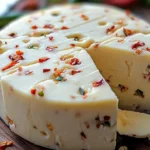
Pepper Jack Cheese
Ingredients
Main Ingredients
- 1 gallon whole milk (preferably raw or pasteurized, not ultra-pasteurized) Thick and creamy, serves as the base for your cheese-making.
- 1/4 tsp mesophilic starter culture Adds tanginess and contributes to creamy texture.
- 1/2 tsp liquid calcium chloride (if using pasteurized milk) Enhances curd's structure, crucial for pasteurized milk.
- 1/2 tsp liquid rennet (diluted in 1/4 cup non-chlorinated water) Natural enzyme required for forming curds.
- 1 tsp non-iodized salt (cheese or kosher salt) Enhances flavor and acts as a preservative.
- 2 tbsp diced jalapeños (fresh or pickled) Adds zest and crunch.
- 1 tbsp red pepper flakes Adds an extra layer of heat.
- 1 tsp black pepper (optional) Enhances flavor depth.
Instructions
Preparation
- Pour the whole milk into a large pot and slowly heat to 90°F (32°C), stirring gently.
- Add the mesophilic starter culture and let it sit for 2 minutes to activate.
- If using pasteurized milk, stir in the calcium chloride now.
- Add the diluted rennet, stirring gently for 30 seconds, then cover the pot and let it sit undisturbed for 45 minutes.
- Check for a firm curd and cut it into 1/2-inch cubes, allowing it to rest for 5 more minutes.
- Gradually heat the curds to 105°F (40°C), stirring gently to avoid clumping.
- Line a colander with cheesecloth and pour the curds into it to drain whey.
- In a bowl, combine the drained curds with salt, diced jalapeños, red pepper flakes, and black pepper.
- Transfer curds into a cheese mold, press down firmly with 8-10 pounds of weight for 6-8 hours, flipping halfway through.
- Remove cheese from mold and let it dry on a rack for 24 hours at room temperature.
Aging
- Wrap and age the cheese in the refrigerator for 2-4 weeks, flipping every few days.